
Mission
Our mission is to establish Mridha’s Research Center as a premier research and academic institution dedicated to advancing environmental sustainability, smart infrastructure, renewable energy, GIS & remote sensing, architecture, and AI-driven solutions. We aim to develop and disseminate innovative knowledge to build a sustainable and resilient society.
Overview of Mridha’s Research Center
Mridha’s Research Center, established in 2018, is a Multidisciplinary Hub for Innovation in Engineering, Science, and Technology. Located at 518, Sonabibi Road, Sonakanda, Bandar, Narayanganj, Bangladesh, the Center Has Rapidly Grown Into a Vibrant Community of Researchers and Students Working Collaboratively on Cutting-edge Projects. The Center Was Formalized by the Syndicate and Board of Trustees of Mridha’s Research Center to Coordinate and Manage Diverse Activities in Environmental Sustainability, Smart Infrastructure, Renewable Energy, Gis & Remote Sensing, Architecture, and Artificial Intelligence.
The Center Fosters Synergies Between Academic Departments, Industry Partners, and Global Institutions to Mobilize Expertise and Resources. A Large Number of Dedicated Researchers and Students Contribute to Its Dynamic Research Environment, Driving Innovation and Discovery. Special Attention is Given to Research Addressing Critical Challenges Such as Renewable Energy Adoption, Climate-resilient Infrastructure, Ai-driven Environmental Monitoring, and Sustainable Architectural Design. The Center Has Published Numerous Research Papers, Contributing Significantly to Global Knowledge in These Fields.
In Addition to Research, Mridha’s Research Center Organizes Training Programs, Workshops, and Public Lectures on Sustainability, Smart Technologies, and Disaster Resilience, Often in Collaboration With Other Institutions. The Center Also Offers Online Classes to Promote Education and Awareness, Ensuring Accessibility to a Broader Audience.

Vision
Our vision is to craft innovative, sustainable, and adaptive solutions for a rapidly changing world. Mridha’s Research Center aims to be a leading research and academic institute in Bangladesh, excelling in environmental sustainability, smart infrastructure, renewable energy, GIS & remote sensing, architecture, and AI-driven solutions.
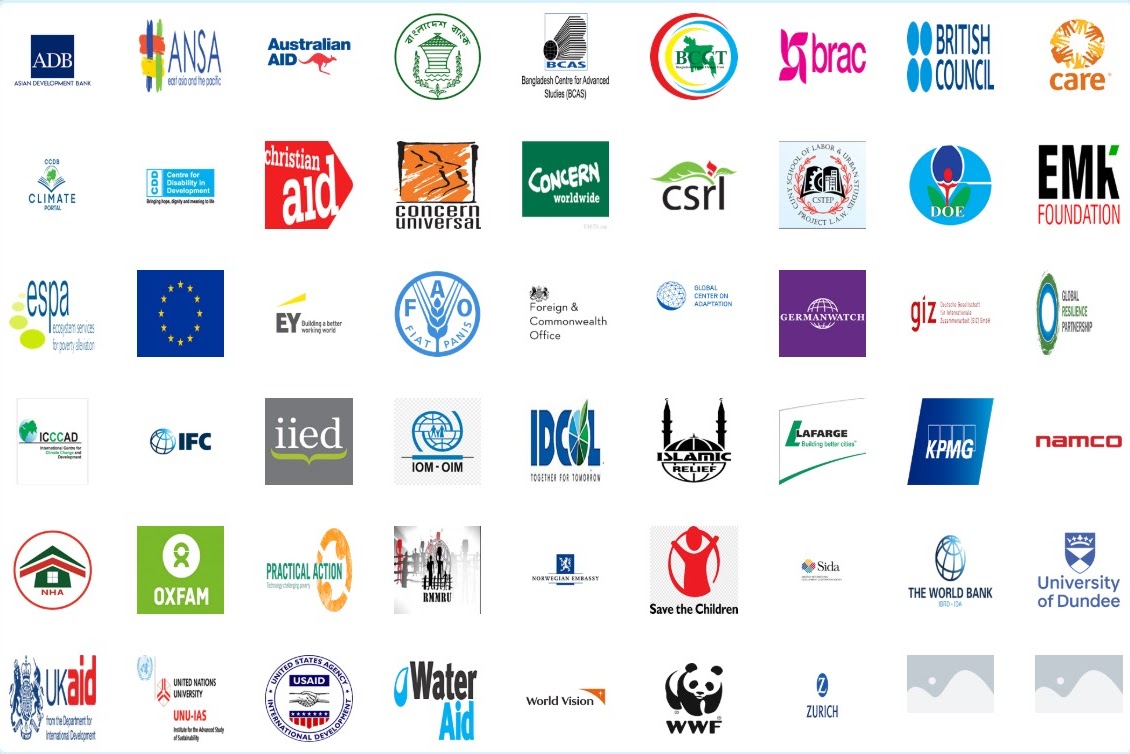
MRC CLIENTELE
Mandates Of Mridha’s Research Center (MRC)
Advancing Environmental Sustainability Research
Conducting cutting-edge research to understand environmental challenges and develop sustainable solutions tailored to Bangladesh’s unique ecological and climatic conditions.Smart Infrastructure Development
Designing and modeling smart, climate-resilient infrastructure to withstand environmental stressors such as flooding, sea level rise, and urbanization pressures.Renewable Energy Innovation
Promoting mitigation strategies through the development and implementation of renewable energy technologies, focusing on scalable and affordable solutions for energy access.GIS and Remote Sensing Applications
Leveraging GIS and remote sensing technologies for environmental monitoring, disaster risk assessment, and resource management to support sustainable development.Sustainable Architectural Design
Innovating architectural solutions that integrate sustainability, energy efficiency, and climate resilience to create adaptive built environments.AI-Driven Solutions for Environmental Challenges
Applying artificial intelligence to enhance environmental monitoring, predict climate impacts, and optimize resource management for sustainable outcomes.Climate Change Scenario Modeling
Generating localized climate change scenarios for Bangladesh to inform adaptation and mitigation strategies, with a focus on coastal and urban vulnerabilities.Community-Based Adaptation and Awareness
Engaging local communities through education, training, and awareness programs to foster climate resilience and promote sustainable practices at the grassroots level.
Disaster Resilience and Management
Developing comprehensive disaster management frameworks that integrate early warning systems, risk reduction, and recovery strategies in a changing climate.Natural Resource Management
Implementing strategies to prevent environmental degradation and preserve ecologically critical areas, including conservation of biodiversity and endangered species.Water and Sanitation Management
Addressing water supply, sanitation, and pollution control through innovative technologies and governance frameworks to ensure environmental health and equity.Education and Capacity Building
Developing curricula and training programs for students, professionals, and local communities to build knowledge and skills in sustainability, climate adaptation, and smart technologies.Gender and Social Inclusion in Climate Strategies
Integrating gender perspectives and addressing climate-induced migration, population dynamics, and displacement to ensure inclusive adaptation planning.Policy Advocacy and Mainstreaming
Formulating policies and strategies to mainstream sustainability, climate adaptation, and smart infrastructure into sectoral plans and national development frameworks.Global and Local Collaboration
Fostering partnerships with academic institutions, industry, and international organizations to mobilize expertise and resources for innovative research and sustainable solutions.Biotechnological Research for Climate Resilience
Applying biotechnological innovations to develop climate-resilient cropping systems and sustainable agricultural practices to enhance food security and environmental sustainability.
